
India Heatwave Crisis

Introduction
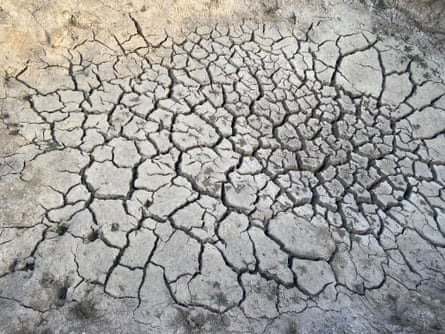
Over the past decade, summers in India have felt harsher, longer, and far more dangerous. Streets shimmer under relentless sunlight, hospitals report spikes in heat-related illness, and water shortages intensify across both cities and rural landscapes. The growing frequency of extreme heat is not a coincidence. India heatwave crisis is fundamentally altering temperature patterns across the subcontinent, increasing the intensity and duration of heatwaves in India.
A heatwave is no longer just a seasonal inconvenience; it has become a serious public health emergency and an environmental warning sign. Rising global temperatures, changing monsoon patterns, and increasing greenhouse gas emissions are contributing to a new climate reality. This article explores why climate change is increasing heatwaves in India, how environmental shifts are amplifying extreme heat, and what this means for the country’s future.
Understanding Heatwaves in the Indian Context
India’s geographical diversity—from deserts to coastal plains—makes it particularly sensitive to temperature fluctuations. Traditionally, heatwaves occurred between March and June, primarily affecting northwestern and central regions. However, in recent years, extreme heat events have expanded in duration and geography.
Climate change has altered baseline temperatures, meaning that what was once considered unusually hot is now becoming normal. When average temperatures rise due to global warming, even small increases can push regions into dangerous heatwave territory. This warming trend intensifies land surface heating, especially in densely populated urban areas experiencing the urban heat island effect.
Cities like Delhi, Ahmedabad, and Nagpur frequently record temperatures exceeding 45°C. These numbers are not isolated spikes but part of a broader warming pattern driven by climate change.
The Role of Greenhouse Gas Emissions
At the core of climate change lies the accumulation of greenhouse gases such as carbon dioxide, methane, and nitrous oxide. These gases trap heat in the atmosphere, creating a warming effect known as the greenhouse effect.
India, as a rapidly developing economy, relies heavily on coal-powered energy, transportation, and industrial expansion. Although per capita emissions remain lower than many developed countries, total emissions are substantial due to population size and economic growth. Increased greenhouse gas emissions elevate global temperatures, which in turn increase the likelihood of prolonged heatwaves in India.
Warmer oceans also contribute to atmospheric instability. The Indian Ocean has been warming at a faster rate than many other ocean basins. This ocean warming disrupts traditional weather cycles and weakens the cooling influence of sea breezes along coastal regions.
How Global Warming Alters Monsoon Patterns
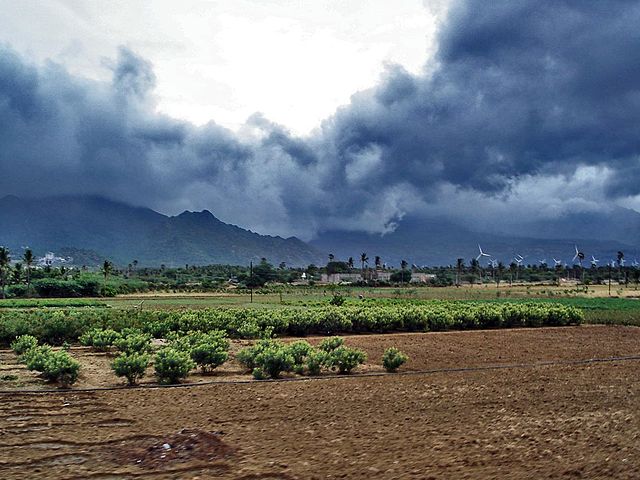
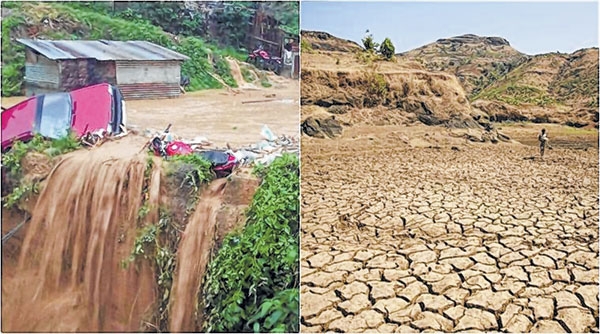
The Indian monsoon is a lifeline for agriculture, water supply, and ecosystems. However, climate change is making monsoon patterns increasingly unpredictable. Delayed rainfall or uneven distribution leads to prolonged dry spells, which intensify pre-monsoon heatwaves.
When soil moisture decreases, land heats up faster. This creates a feedback loop: dry soil increases surface temperature, which worsens heatwaves. Reduced vegetation cover due to deforestation and drought further limits evapotranspiration, a natural cooling process.
Global warming also increases the frequency of extreme rainfall events. Ironically, while some regions face floods, others experience severe droughts. This climate variability amplifies environmental stress and contributes to temperature extremes.
Urbanization and the Heat Island Effect
Rapid urbanization is another factor connecting climate change to heatwaves in India. Concrete buildings, asphalt roads, and limited green spaces absorb and retain heat, making cities significantly warmer than surrounding rural areas.
The urban heat island effect intensifies nighttime temperatures, preventing relief after sunset. With climate change raising baseline temperatures, this effect becomes more dangerous. High nighttime temperatures are particularly harmful because they increase the risk of heat stress and dehydration.
Air pollution compounds the problem. Pollutants such as black carbon not only degrade air quality but also contribute to atmospheric warming. In combination with greenhouse gas emissions, urban pollution accelerates climate change impacts at the local level.
Environmental Degradation and Rising Temperatures
Deforestation, land degradation, and loss of biodiversity are deeply connected to climate change and rising heatwaves. Forests act as carbon sinks, absorbing carbon dioxide from the atmosphere. When forests are cleared for agriculture, mining, or infrastructure, stored carbon is released, intensifying global warming.
India has experienced significant land-use changes in recent decades. Reduced forest cover limits natural cooling mechanisms and increases surface heating. Additionally, shrinking wetlands and water bodies reduce evaporative cooling, making regions more vulnerable to extreme heat.
Climate change also threatens Himalayan glaciers, which regulate river systems across northern India. Glacial melt initially increases river flow but eventually leads to water scarcity. Reduced water availability during summer months worsens the impact of heatwaves on communities and agriculture.
Impact on Public Health and Livelihoods

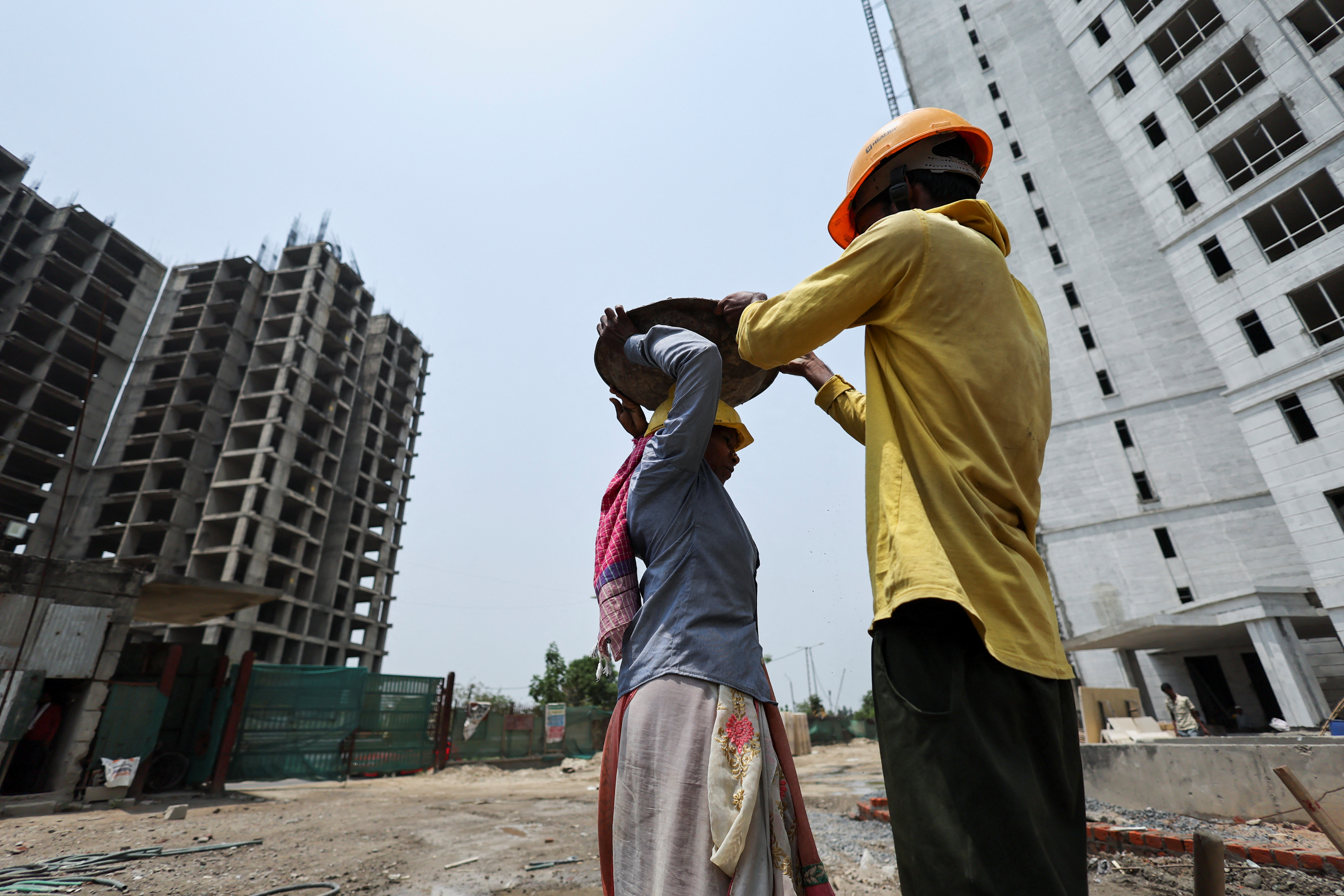

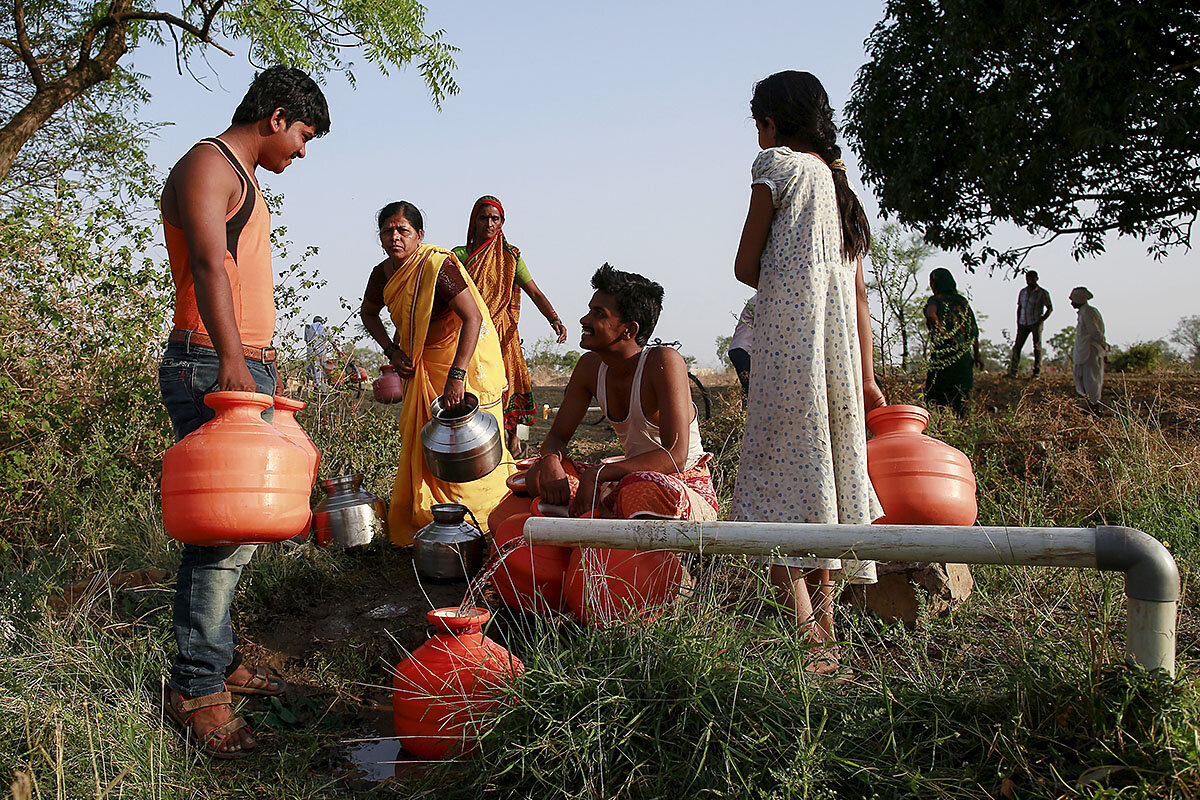
The human cost of climate change-driven heatwaves in India is severe. Heatstroke, dehydration, and cardiovascular stress increase during extreme heat events. Vulnerable populations—including elderly individuals, outdoor workers, children, and low-income communities—face the highest risks.
Agricultural workers endure prolonged exposure to high temperatures, reducing productivity and increasing health hazards. Crop yields decline as heat stress damages wheat, rice, and other staple crops. This threatens food security and economic stability.
Water scarcity intensifies during heatwaves, particularly in drought-prone regions. Women and children often travel long distances to collect water, increasing physical strain in extreme heat conditions. As climate change accelerates, these challenges become more frequent and severe.
Scientific Evidence Linking Climate Change and Heatwaves
Climate scientists use climate models and observational data to understand temperature trends. Studies consistently show that heatwaves in India are becoming more frequent, longer, and more intense due to global warming.
Rising average temperatures shift the entire distribution of heat extremes upward. This means that events once considered rare now occur more often. Climate attribution research indicates that many recent heatwaves would have been highly unlikely without human-induced climate change.
Additionally, the warming of the Arctic influences global atmospheric circulation. Changes in jet stream patterns can create stagnant high-pressure systems over the Indian subcontinent, trapping hot air masses for extended periods. This leads to persistent heatwaves.
The Socioeconomic Dimensions of Extreme Heat
Climate change does not affect everyone equally. Informal workers, farmers, street vendors, and daily wage laborers cannot avoid outdoor exposure. Economic inequality magnifies vulnerability to heatwaves in India.
Energy demand rises sharply during extreme heat as air conditioning usage increases. This places strain on electricity grids, sometimes leading to power outages. Ironically, greater reliance on fossil fuels for cooling can increase greenhouse gas emissions, reinforcing climate change.
Migration patterns are also influenced by environmental stress. Repeated heatwaves, crop failures, and water shortages may drive rural populations toward cities, intensifying urban heat island effects and resource pressure.
Adaptation and Mitigation Strategies




Addressing climate change and rising heatwaves requires both mitigation and adaptation strategies. Mitigation focuses on reducing greenhouse gas emissions through renewable energy, energy efficiency, and sustainable transportation.
India has expanded solar and wind energy projects to transition toward a low-carbon economy. Urban planning initiatives promote green spaces, reflective roofing, and improved building design to reduce heat absorption.
Adaptation measures include early warning systems, heat action plans, and public awareness campaigns. Planting trees, conserving water, and restoring wetlands can strengthen climate resilience. Community-based interventions are crucial for protecting vulnerable populations.
A Human Perspective: Living with Rising Heat
Behind the statistics are real stories. A farmer watching crops wither under relentless sun. A construction worker enduring long hours in scorching heat. A mother worrying about water shortages in her neighborhood. Climate change is not an abstract concept—it is a lived experience for millions in India.
The psychological impact of recurring heatwaves also deserves attention. Anxiety about environmental uncertainty, financial stress, and health risks can affect mental well-being. Recognizing the human dimension of climate change helps move the conversation beyond numbers toward empathy and collective responsibility.
Conclusion
Climate change is undeniably increasing heatwaves in India by raising baseline temperatures, altering monsoon patterns, intensifying the urban heat island effect, and accelerating environmental degradation. Greenhouse gas emissions, deforestation, and unsustainable development practices are driving global warming and amplifying extreme heat events.
The consequences extend beyond temperature records. They affect public health, food security, water resources, economic stability, and social equity. Heatwaves in India are no longer isolated weather events; they are symptoms of a changing climate.
Addressing climate change requires urgent action at local, national, and global levels. Transitioning to renewable energy, protecting ecosystems, improving urban design, and supporting vulnerable communities can reduce risks. While the challenge is immense, collective effort and informed policy decisions can create a more resilient future.
As temperatures continue to rise, the question is not whether climate change will influence heatwaves in India—it already has. The real question is how quickly society can respond to safeguard both people and the environment in an era defined by warming.
Frequently Asked Questions (FAQ)
1. How is climate change increasing heatwaves in India?
Climate change increasing heatwaves in India is driven by rising global temperatures caused by greenhouse gas emissions. As baseline temperatures rise, extreme heat events become more frequent, last longer, and reach higher intensity levels. This warming trend makes heatwaves more severe across northern, central, and coastal regions of India.
2. Why are heatwaves becoming more intense in India?
Heatwaves are becoming more intense due to global warming, reduced soil moisture, deforestation, and rapid urbanization. The urban heat island effect traps heat in cities, while environmental degradation reduces natural cooling systems like forests and wetlands. These combined factors worsen extreme heat conditions.
3. How does climate change affect the Indian monsoon?
Climate change disrupts traditional monsoon patterns by altering atmospheric circulation and ocean temperatures. Delayed or uneven rainfall increases dry spells, which raises land surface temperatures. Reduced soil moisture before the monsoon season directly contributes to stronger and longer heatwaves in India.
[…] “Beating the Heat: Understanding India’s Heatwave Crisis” […]
[…] Understanding these issues through careful middle east war analysis 2026 helps people see why diplomacy and negotiation remain essential. Read More…. […]