
Introduction
Welcome to the amazing world of Indian wildlife, a treasure trove that makes a nature lover’s heart sing! India is home to some fantastic creatures that are found nowhere else on Earth. Unfortunately, some of these incredible species are on the verge of disappearing forever. This isn’t just bad news for animals; losing species can harm communities and the natural balance of our environment. Let’s dive into 5 endangered species and discover how we can help protect these unique residents of India.
Bengal Tiger

Current Status and Habitat
The majestic Bengal tiger is often seen as the very essence of Indian wildlife. These big striped cats are iconic symbols of strength and grace. Currently, they are classified as endangered, with only about 2,500 individuals left in the wild. The Bengal tiger calls the lush forests and grasslands across India its home. You’ll find them primarily in reserves such as the Sundarbans, which is a marshy jungle famed for its unique ecosystem, and the mighty reserves of Madhya Pradesh, like Kanha and Bandhavgarh.
Threats to Survival
Despite their impressive demeanor, Bengal tigers face numerous threats that are hard to ignore. The biggest problem? Habitat loss. As humans expand settlements, roads, and agriculture, these beautiful creatures lose their homes. Another threat comes in the form of poaching, driven by the illegal wildlife trade, where each part of the tiger is prized. In addition, human-wildlife conflict is another pressing issue, where tigers sometimes prey on livestock, resulting in retaliation from rural communities.
Conservation Efforts
There’s hope on the horizon for Bengal tigers, thanks to dedicated conservation efforts. India has embraced several strategic initiatives to safeguard these regal cats. Projects like Project Tiger, launched in 1973, play a vital role in their conservation. This program works by establishing protected areas and national parks to offer a secure home for the tigers. Movement corridors are being created to ensure these big cats can roam freely between habitats without the risk of human interference. Moreover, awareness campaigns focus on educating local communities about the importance of preserving these splendid animals and their environments.
Asian Elephant
Population Distribution
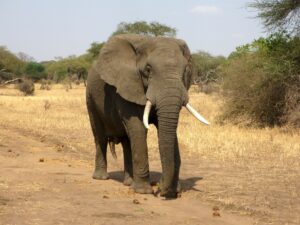
Asian elephants are as significant to India’s wildlife tapestry as the tigers. These gentle giants are primarily found in the southern states, the northeastern region, and the foothills of the Himalayas in the north. Yet today, Asian elephants face varying threats across their native range. Their population is estimated to be between 27,000 and 31,000, spread across fragmented parts of the country, which makes coordinated conservation efforts even more necessary.
Challenges Facing Conservation
Asian elephants face trials and tribulations that threaten their very existence. Habitat fragmentation poses a significant danger; as forests are cleared for development, elephants find themselves squeezed into smaller areas. This leads to increased human-elephant conflicts, particularly when they venture into farmlands or villages in search of food. Poaching, although less widespread than before, still remains a concern due to the value of their ivory. Furthermore, increasing instances of railway and road accidents as elephants attempt to cross these man-made infrastructures have led to alarming casualties.
Community Involvement in Protection
In tackling the conservation challenges for Asian elephants, the involvement of local communities has proven crucial. Initiatives like forming elephant conservation groups among villagers can lead to a more harmonious relationship between humans and elephants. These groups work towards building awareness about the importance of elephants in maintaining biodiversity. By promoting alternative livelihoods and providing compensation schemes for crop damage, these communities become active participants in conservation. They help in developing safe corridors and pathways that allow elephants to migrate without human interference. Education and empathy are key ingredients in nurturing an environment where both elephants and humans can thrive peacefully.
Both Bengal tigers and Asian elephants embody India’s rich biodiversity, and together, through informed efforts and community participation, we can shape a future where these incredible species flourish instead of flounder. By investing in wildlife conservation, we not only preserve the glorious tapestry of Indian wildlife but also ensure a healthier planet for generations to come.
Indian Rhinoceros
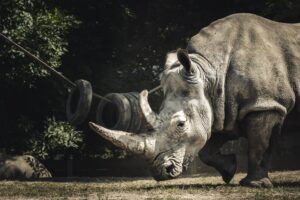
India is home to the magnificent Indian Rhinoceros, a creature of significant importance to the country’s biodiversity. These great creatures, with their single horn and armor-like skin, play a vital role in their ecosystems. Sadly, they are classified as vulnerable, making their conservation a pressing issue.
Habitat and Behavior
The Indian Rhinoceros primarily roams the dense grasslands and forests of the Brahmaputra River basin in northeastern India, with Assam being a particularly favorable state for these mighty animals. Their natural habitat includes swampy and marshy regions, where they can find ample water and food. Typically solitary creatures, these rhinos can often be spotted indulging in a mud bath or grazing on grasses. Being herbivores, their diet mainly consists of grasses, fruits, and leaves, contributing to the natural balance of their environment.
Poaching Issues
Unfortunately, the Indian Rhinoceros has been a prime target for poachers due to its horn, which is falsely believed to have medicinal properties. This relentless poaching significantly reduces their numbers, posing a severe threat to their survival. Despite various protective laws, illegal trade and poaching continue to wreak havoc on their population, driving them closer to the brink of extinction.
Government Interventions
In response to these alarming threats, the Indian government has enacted several measures to safeguard the Indian Rhinoceros. Initiatives like “Project Rhino” are specifically designed to address the issues of poaching and habitat loss. These programs include increased patrolling, use of technology like drones for surveillance, and community awareness campaigns. The government also collaborates with various NGOs to create and maintain refugee-style sanctuaries and national parks aimed at providing a safe haven for these magnificent creatures, ensuring their continued existence for future generations.
Snow Leopard
The majestic Snow Leopard is one of India’s most elusive big cats, known for its striking appearance and elusive nature. While their beauty is indisputable, these wondrous animals face significant challenges that threaten their survival in the wild.
Regions of Existence
In India, the Snow Leopard inhabits the arid mountains of the Himalayas, particularly in states like Jammu and Kashmir, Himachal Pradesh, Uttarakhand, Sikkim, and Arunachal Pradesh. These areas provide the high-altitude, rugged terrain that snow leopards require to thrive. They are perfectly adapted to this harsh environment, with their thick fur and long tail that helps them maintain balance on icy, uneven surfaces.
Human-Wildlife Conflict
One of the critical threats facing Snow Leopards is human-wildlife conflict. As human populations expand into their natural habitats, Snow Leopards often come into contact with villages, leading to livestock predation. This not only causes economic harm to the villagers but also triggers retaliatory killings, further endangering the already low population of these magnificent cats. This conflict necessitates urgent and effective solutions to foster coexistence between humans and Snow Leopards.
Preservation Programs
To combat these challenges, several preservation programs have been established. Various agencies, both governmental and non-governmental, are working tirelessly towards Snow Leopard conservation. Measures include the promotion of livestock insurance schemes, community-based conservation approaches, and educational initiatives that aim to support the harmony between local communities and the ecosystem. Furthermore, international collaborations, like the Global Snow Leopard and Ecosystem Protection Program, emphasize the importance of conserving these big cats throughout their range, ensuring they continue to be a part of India’s vibrant ecological tapestry.
Through increased awareness and collective efforts, these majestic creatures can be protected, allowing them to continue to roam the wild landscapes of India. By understanding these issues and supporting the solutions, we all can contribute to preserving both the Indian Rhinoceros and the Snow Leopard for generations to come.
Great Indian Bustard

Ecological Importance
The Great Indian Bustard holds a special place in the ecosystem and is one of the finest examples of adaptation in the grasslands of India. As a large, ground-dwelling bird, it plays a significant role in maintaining the delicate balance of its habitat. By feeding on insects and small reptiles, it helps control their populations, contributing to the health and sustainability of the grassland ecosystem. Besides, this majestic bird acts as an indicator species, meaning its health reflects the overall quality of its environment—making it crucial for scientists monitoring these fragile ecosystems.
Causes of Decline
Unfortunately, the Great Indian Bustard’s numbers have been dwindling alarmingly. A major factor contributing to their decline is habitat loss; encroaching agricultural expansion and urban development have significantly reduced their native grassland territories. Additionally, these birds are not very adaptable to changes in their environment and often fall victim to power lines while flying. Illegal poaching and hunting have also taken a toll, as these creatures are slow breeders, making it hard for their populations to recover from losses.
Innovative Conservation Strategies
Bringing back the Great Indian Bustard from the brink of extinction requires a collective effort through innovative strategies.
– Habitat Protection: Establishing and expanding protected reserves specifically for their conservation can shield them from habitat destruction.
– Community Engagement: Working with local communities to encourage sustainable land use practices and minimize poaching efforts is vital.
– Power Line Modification: Implementing techniques like marking power lines with visibility enhancements can drastically reduce collision risks.
– Breeding Programs: Initiatives like captive breeding and releasing them into protected areas can help boost population numbers.
By adopting these strategies, we can ensure a safer environment for the Great Indian Bustard and preserve the rich biodiversity of India’s grasslands.
Conclusion
India’s rich biodiversity is a national treasure that needs our urgent care and protection. By understanding the challenges faced by endangered species and adopting simple conservation habits, we can make a significant difference. Here are a few steps you can take to contribute:
– Support wildlife conservation organizations through donations or volunteering.
– Advocate for stronger environmental policies and practices.
– Educate others about the importance of biodiversity and conservation.
Together, we can ensure these magnificent species thrive for future generations. Let’s all play our part in nurturing our planet!
[…] is home to several national parks and reserves where conservation programs strive to protect endangered species like the black rhino and African elephant. As a traveler, you can get involved in these inspiring programs by visiting protected areas or even […]
[…] peril. In this deep dive, we explore the current state of wildlife conservation, the status of the top 10 endangered animals, and the unsung heroes—the Indian forest rangers—who stand between the tiger and […]