
The Majestic Bengal Tiger: Guarding the Soul of the Indian Wilderness
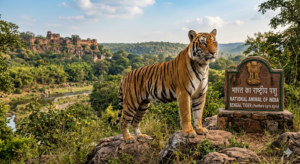
The Bengal Tiger (Panthera tigris tigris) is more than just a national animal; it is a symbol of power, grace, and the intricate balance of our ecosystem. As we move through 2026, the story of this apex predator is one of both struggle and triumph. From the dense, salt-misted mangroves of the Sunderbans to the dry deciduous forests of Ranthambore National Park, the Bengal Tiger remains the crown jewel of India’s natural heritage.
However, being the crown jewel comes with immense responsibility and peril. In this deep dive, we explore the current state of wildlife conservation, the status of the top 10 endangered animals, and the unsung heroes—the Indian forest rangers—who stand between the tiger and extinction.
The State of the Bengal Tiger in 2026
India is home to approximately 70% of the world’s tiger population. While recent data shows growth in some regions, challenges remain. Some states are currently under pressure to resolve backlogs of tiger mortality investigations to ensure that poaching and systemic failures are properly accounted for.
Why the Bengal Tiger Matters
The tiger is an “umbrella species.” By protecting the Bengal Tiger, we inadvertently protect vast areas of forest that provide water, oxygen, and habitat for thousands of other species. When a tiger thrives, the forest thrives.
Sunderbans vs. Ranthambore: A Tale of Two Habitats
The adaptability of the Bengal Tiger is nowhere more evident than in the contrast between West Bengal and Rajasthan.
1. The Mangrove Monarchs of Sunderbans
The Sunderbans is a maze of tidal waterways and mudflats. Here, tigers have evolved unique physical and behavioral traits:
-
Expert Swimmers: Sunderban tigers are known to swim across wide, saline channels.
-
Mud-Tough Limbs: They possess stronger limbs to navigate knee-deep mud and dense mangrove roots.
-
Saline Tolerance: Unlike tigers elsewhere, these big cats have adapted to drink brackish water when necessary.
2. The Fortress Kings of Ranthambore
In contrast, Ranthambore National Park offers a landscape of ancient ruins and dry forests.
-
Territorial Legends: Ranthambore is famous for its “celebrity” tigers who lived among the park’s historic forts.
-
Visibility: The open terrain makes it a global hotspot for tiger sightings, driving significant eco-tourism that funds local conservation.
The Concrete Jungle: When Tigers Meet the City

As we move through 2026, the boundaries between the wild and the urban are blurring. It is no longer uncommon to hear reports of a Bengal Tiger being spotted on the outskirts of a bustling city. This phenomenon creates a unique set of challenges for wildlife conservation and a massive shift in how citizens perceive the “King of the Jungle.”
The Citizen’s Perspective: Between Awe and Fear
For a modern city dweller, the arrival of a tiger is a paradox. On one hand, there is pride; on the other, there is a very real, primal fear.
-
The Viral Reflex: In the digital age, the first instinct is often to capture the moment on a smartphone. This “digital curiosity” is a major hurdle. Crowds gathering to take photos can stress the animal, leading to defensive aggression.
-
The Impact on Daily Life: When a tiger enters an urban fringe, daily life changes instantly. Morning walks are abandoned and children are kept indoors. This tension tests the public’s support for conservation.
The Tiger’s Perspective: A Landscape of Hazards
To a tiger, a city is not a metropolis—it is a confusing, loud, and dangerous maze.
-
Sensory Overload: Constant traffic noise and bright streetlights create immense stress for an animal used to the quiet of the forest.
-
The Trap of Easy Prey: Deprived of natural prey, tigers may look toward livestock or stray animals. This brings them into direct conflict with humans.
-
Artificial Barriers: High-tension wires and busy highways act as deadly traps for a tiger that is simply trying to find a new territory.
The Frontline: Indian Forest Rangers

While tourists see tigers through binoculars, Indian forest rangers and guards see them through the lens of duty. These heroes often patrol on foot, armed with little more than a “Lathi” (wooden stick) to protect the forest.
Roles and Responsibilities
-
Anti-Poaching Patrols: Rangers walk miles daily to check for snares and illegal activity.
-
Conflict Resolution: Rangers are the first responders when tigers stray into human settlements. They serve as the vital mediators, managing crowds and ensuring the tiger has a safe passage back to the wild.
-
Habitat Management: They monitor water holes and prey density to ensure the ecosystem remains healthy.
Bengal Tigers : Top 10 Endangered Animals in India
The Bengal Tiger is part of a broader, more fragile list. To understand the gravity of wildlife conservation, we must look at the neighbors sharing these forests.
| Rank | Species | Conservation Status |
| 1 | Bengal Tiger | Endangered |
| 2 | Asiatic Lion | Endangered |
| 3 | Snow Leopard | Vulnerable |
| 4 | One-horned Rhinoceros | Vulnerable |
| 5 | Blackbuck | Near Threatened |
| 6 | Lion-tailed Macaque | Endangered |
| 7 | Kashmiri Red Stag (Hangul) | Critically Endangered |
| 8 | Gharial | Critically Endangered |
| 9 | Indian Elephant | Endangered |
| 10 | Great Indian Bustard | Critically Endangered |
Challenges to Wildlife Conservation in 2026
Despite success stories in various sanctuaries, several hurdles remain:
-
Linear Infrastructure: Roads and railways through forest corridors fragment habitats.
-
Poaching: The illegal trade in tiger parts remains a lucrative criminal industry.
-
Climate Change: Rising sea levels in the Sunderbans threaten to submerge critical habitat.
-
Administrative Gaps: Delays in forensic reporting can sometimes obscure the true cause of tiger deaths.
How You Can Help Of Bengal Tigers
Conservation is a global effort that requires every citizen’s participation.
-
Support Eco-Tourism: Visiting parks like Ranthambore provides revenue that supports local communities.
-
Spread Awareness: Education is the strongest tool. Use your voice to advocate for the protection of tiger corridors.
-
Respect the Boundary: If a tiger enters an urban area, stay indoors and let the professionals handle the situation.
Final Thoughts
The Bengal Tiger is a testament to India’s wild spirit. As we look toward the future, the integration of technology, the bravery of our Indian forest rangers, and a global commitment to wildlife conservation will determine if this majestic cat continues to roar. Whether in the mangroves of the Sunderbans or the dry hills of Ranthambore, the tiger’s survival is our survival.